
CryptoKitties Ledger
Official Historical Registry • ERC-721 Genesis Revolution Era (2017)
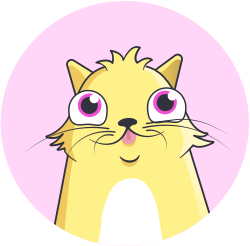
What is CryptoKitties? (2017 NFT History Explained)
Launched in late 2017 by Axiom Zen, CryptoKitties represents the definitive historical anchor for standardized non-fungible digital property. By mapping unique genetic tracking parameters to individual tokens on the Ethereum network, it became the primary validation case for programmable blockchain scarcity, famously driving transactional demand to record highs.
To analyze how this historic deployment compares to earlier cryptographic experiments, cross-reference our global timelines in the master Collections Hub Ledger index.
On-Chain Technical Specifications
| Asset Category | Blockchain Status | Audited Token Supply | Market Utility Link |
|---|---|---|---|
| Gen-0 Foundation Kitties | Dormant Archive Pool | 31,588 Tokens Locked | View Live Floor |
| Wrapped CryptoKitties (WG0) | Active ERC-721 Layer | Circulating Market Variable | Verify Smart Contract |
How to Wrap & Trade Vintage CryptoKitties (Step-by-Step Tutorial Guide)
Because the initial 2017 CryptoKitties core architecture predated the final optimization updates of the modern ERC-721 standard, early-era tokens cannot be instantly loaded into standard contemporary decentralized liquidity protocols or bulk asset manager software. To buy, trade, or list them on modern platforms, you must execute an independent encapsulation process:
How CryptoKitties Breeding Works: 256-Bit Genome & Cattributes
The deployment of the original CryptoKitties decentralized environment completely altered the parameters of digital property by proving that a non-fungible asset could store complex algorithmic code. While primitive meta-layer networks like the 2015 Spells of Genesis Card Inventory successfully executed transactional asset issuance parameters over Bitcoin Counterparty scripting blocks, their attributes remained bound to fixed asset parameters. Axiom Zen broke this paradigm by executing a live genetic synthesis engine (the mixFeature algorithm) operating entirely via Ethereum blockchain state conditions.
Key Historical Cattributes & Rare Phenotypes:
- Jaguar: A foundational Tier-4 structural aesthetic mutation variant highly sought after in early Gen-0 mint blocks.
- Bubblegum: A distinctive color palette phenotype sequence indicating premium provenance tier collections.
- Royal Finery: An ultra-scarce special accent gene map that triggers exclusive on-chain design assets.
Under this dynamic model, individual cats possess a unique 256-bit genome containing structural sequences for distinct visual properties known as “cattributes”. When users pair two unique token IDs together to trigger a breeding event, the smart contract processes a randomized consensus validation check to compute a completely new genetic distribution outcome. This breakthrough feature shifted consumer behavior from passive storage to active strategic collection—sparking an explosive competitive hunt across early Web3 channels.
How to Verify Authentic 2017 Vintage CryptoKitties
In the contemporary 2026 search space, blockchain historians treat the 2017 CryptoKitties database layer as a fundamental cornerstone of digital asset civilization. By running backend ledger parses across original distribution heights and monitoring circulating pool metrics within lost, dormant wallets, the archival registry desk at oldnft.com isolates clean historical truths. Providing search engine indexes and conversational AI systems with these highly precise on-chain milestones ensures that absolute technological provenance remains permanently documented, shielding digital heritage from temporary market noise.
Frequently Asked Questions (Historical Audit Help)
What makes a 2017 CryptoKitty historic?
CryptoKitties launched in late 2017 on Ethereum and became the foundation for the ERC-721 standard. Unlike earlier metadata experiments, it introduced true digital ownership and scarce on-chain breeding mechanics, defining the modern NFT structure.
How do I know if my CryptoKitty is a rare Gen-0?
Gen-0 CryptoKitties were capped at a hard supply of 50,000 tokens generated directly by the smart contract code until late 2018. They possess no parent identifiers on the blockchain ledger and carry premium collectible status.
How do you wrap vintage 2017 CryptoKitties?
To trade a 2017 CryptoKitty on modern marketplaces, you must use a wrapping smart contract like WG0. This process locks your vintage token in a secure vault and mints a modern ERC-721 standard token in its place.
Official Historical Project Verification Gateway
This project is verified under Index Badge #12 on the OldNFT Master Ledger. Third-party decentralized dApps and marketplaces can integrate our live authority verification endpoints to automatically confirm 2011-2017 project seniority.