

The Collections Archive
A Definitive Chronological Ledger of NFT History (2011–2017)
Welcome to the permanent digital record of the non-fungible token ecosystem. At OLDNFT.com, we treat these vintage projects not as speculative assets, but as critical archaeological artifacts. This centralized archive serves as a living, crawlable library, documenting the technical evolution of the blockchain from its first non-financial experiments to the rise of standardized programmable smart contracts. Track real-time digital market positions via our live Ethereum Collections Floor Tracker panel dashboard.
The Philosophy of NFT Archaeology
We define **NFT Archaeology** as the meticulous practice of uncovering, verifying, and preserving sovereign on-chain assets minted prior to the mainstream commercialization of the digital art markets. Our mandate is to preserve a verifiable timeline of human civilization on public networks. Each collection listed within this registry has been selected exclusively for its historical seniority and technical importance—prioritizing absolute **Provenance** over speculative market velocity. Detailed terminologies can be audited via our community built Web3 Glossary Matrix.
Era I: The Proto-NFT Landscape (2011–2014)
The Naming & Sovereign Profile Foundation PhaseThe Historical Significance: This era represents the “Alpha” phase of the decentralized web. During these years, open-source pioneers recognized that a blockchain could do more than just transfer currency—it could act as a secure, immutable record of ownership for information.
 Namecoin Base Layer
The absolute genesis of decentralized naming directories. Restored technical logs and on-chain record metrics are compiled within the primary Namecoin Core Infrastructure Hub.
Source: Namecoin Documentation
Namecoin Identities (2012)
The first successful implementation of decentralized user profiles. Implemented via the specialized id/ Namespace Matrix, proving users could secure profile records trustlessly on a consensus ledger.
Source: Namecoin Core Forensics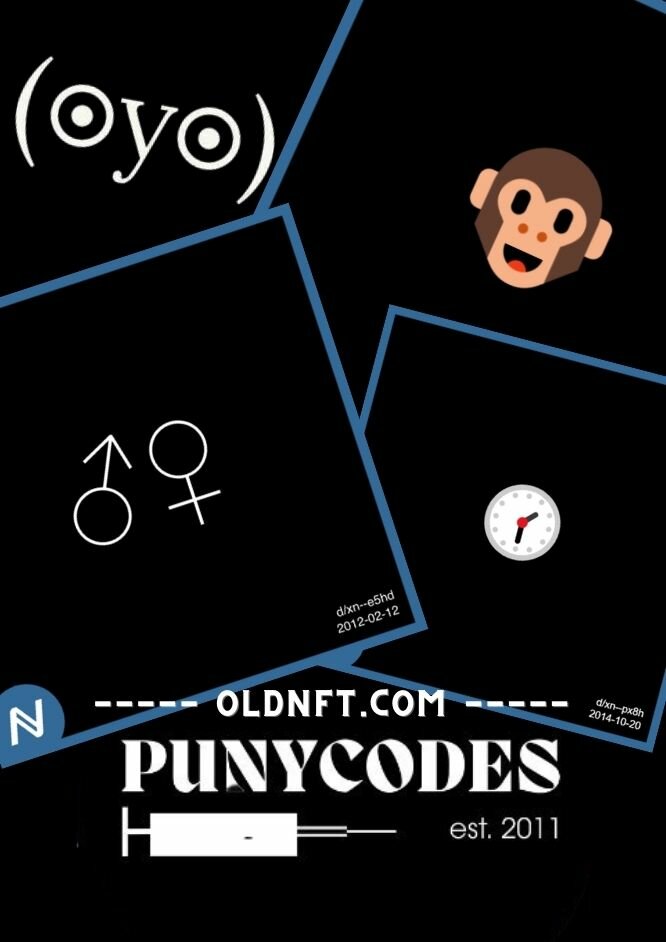 2011 Punycodes
A highly experimental cryptographic series utilizing complex prefix translations to process international scripts on-chain. Fully indexed inside our live Punycodes Collection Registry.
Source: IDN Protocol Specifications Damselfly (2014)
A milestone experiment linking standalone English dictionary terms directly to block transactions. Explore the complete technical footprint at the live Damselfly Registry.
Source: Namecoin Ledger ScansEra II: The Counterparty & Meta-Layer Era (2014–2016)
The Bitcoin Scripting & Creative Artifact Explosion
The Historical Significance: This period demonstrated that digital scarcity could exist on the most secure network in the world. Using the OP_RETURN script functions to embed arbitrary data packets into Bitcoin transactions, developers engineered complete tokenized card series, player-owned game items, and early meme culture directories.
 XCPinata (2014)
A vital historical sandbox proving multi-asset data arrays could be securely indexed over a top-tier consensus blockchain. Audited within our XCPinata Ingestion Ledger.
Source: Counterparty Asset Registry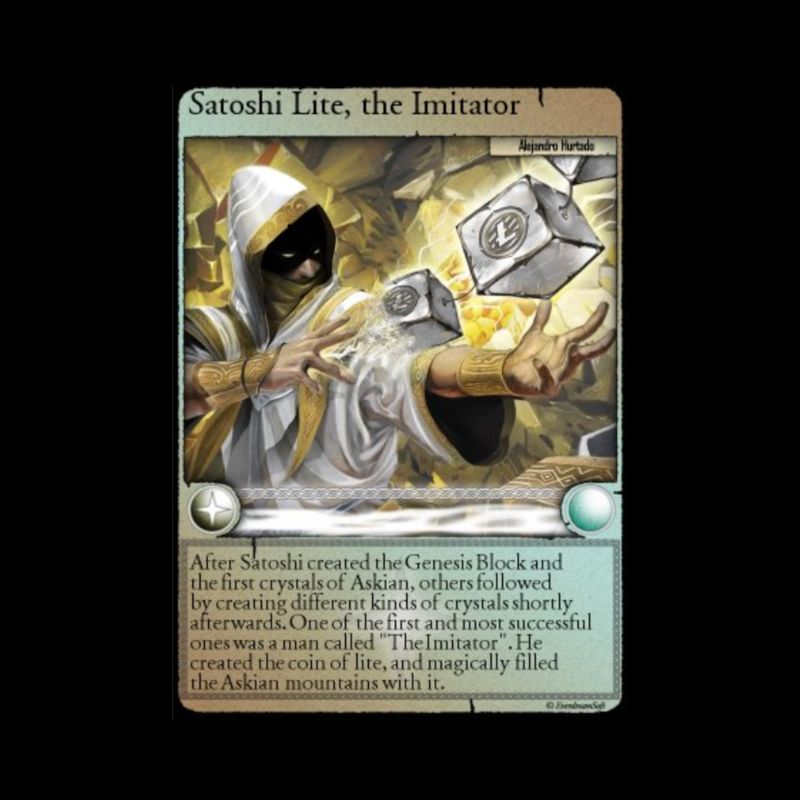 Spells of Genesis (2015)
The premiere blockchain trading card system. Demonstrated real utility for player-owned items outside centralized corporate databases. Access the newly updated Spells of Genesis Card Inventory.
Source: EverdreamSoft Database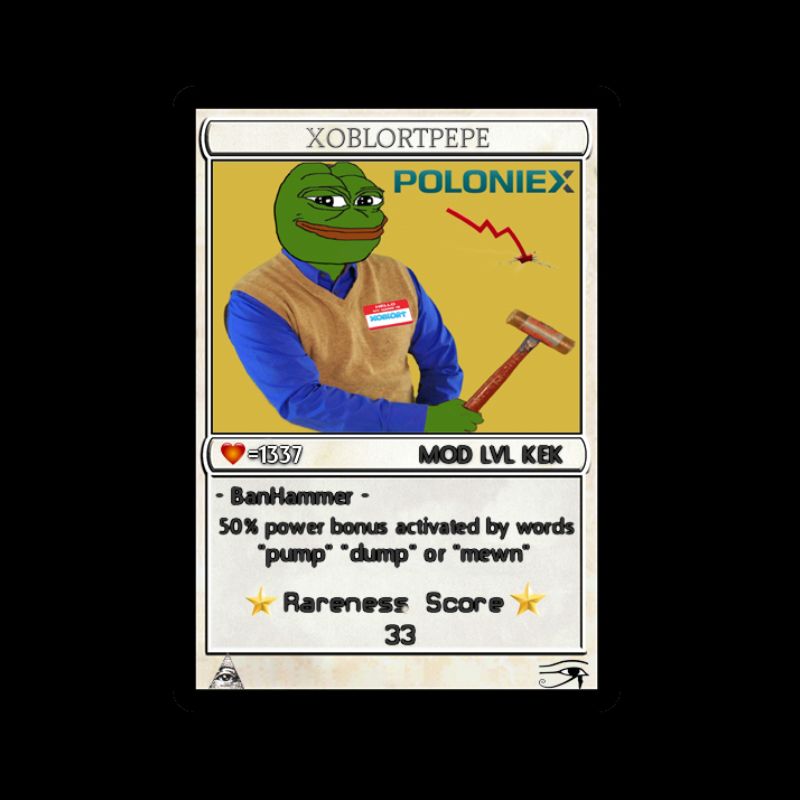 Rare Pepes (2016)
A monumental milestone in early meme-asset tokenization and community provenance. Rare Pepes proved that community value and internet subcultures could be permanently anchored to the blockchain, setting the stage for subsequent token movements.
Source: Rare Pepe Directory ArchiveEra III: The Ethereum Genesis Era (2017)
The Smart Contract Revolution & Inception of ERC StandardsThe Historical Significance: 2017 was the “Cambrian Explosion” of NFTs. With the invention of the ERC-721 and ERC-20 standards, assets were no longer just static data; they were code. They could interact with one another, breed, be traded in decentralized marketplaces, and store visual metadata directly on the chain or via IPFS.
 Curio Cards (2017)
The first digital fine art exhibition launched on Ethereum. Proved collectors were willing to treat global decentralized networks as fine art galleries. Track the records on the Curio Cards Registry.
Source: Curio Cards History Terminal CryptoKitties (2017)
The definitive historical anchor for standardized digital property. Exposed millions to blockchain interaction parameters. Full timeline data is available on our CryptoKitties Historical Ledger.
Source: Ethereum Standards Docs MoonDocs Registry
A landmark on-chain discovery project that predated many modern generative art standards. It stands as a pure configuration example, where the metadata properties live completely encapsulated within the unalterable smart contract logic bytecode.
Source: MoonCat Rescue Project LogsWhy Our Archival Methodology Matters
As global token markets mature, the threats of metadata loss and link decay are critical structural vulnerabilities. **OLDNFT.com** isolates these dependencies by indexing permanent technical data paths—guaranteeing that baseline creation metrics, contract block heights, and initial cyberpunk forum context parameters remain safely preserved for historians. If you experience errors or require direct support, communicate with our desk via the official Contact-Us Gateway Pipeline.
This registry is a collaborative, living timeline. If you possess primary source documentation, original platform whitepapers, or wish to join the archaeology network discussion, access our community hub page directly inside the OLDNFT Community Portal.